Europe’s Christmas markets are calling. From the glow of handcrafted lanterns in a German town square to the scent of chimney cake drifting through Budapest’s frosty streets, nothing else captures the holiday season quite like wandering these centuries-old festive markets. This guide explores where to go, when to visit, what to eat, and how to travel comfortably while discovering the best European Christmas markets in 2026.
Key Takeaways
- Most Christmas markets in Europe open between November 22 and November 28, 2026, with many running until December 23–24 and some continuing to early January 2027.
- Germany, Austria, France (Strasbourg, Colmar), Hungary (Budapest), Belgium (Brussels, Bruges), the Czech Republic (Prague), and England (London) host the best Christmas markets on the continent, each with distinct character-from medieval squares to imperial palace courtyards.
- Travelers can combine several markets on one trip using Europe’s rail network or short flights, and booking business or first class through Business-Class.com can make winter travel more comfortable, with premium seating, eligible lounge access, and flexible routing options.
- Each market has its own personality: some feature delightful wooden chalets and handmade crafts, others boast a huge Christmas tree, a ferris wheel, or ice skating rink set against Gothic spires or baroque palaces.
Why Christmas Markets in Europe Are So Special
Picture a cold December evening. You step into a cobblestoned market square lined with wooden chalets, each glowing with warm light. The scent of mulled wine-spiced with cinnamon and cloves-mixes with roasted chestnuts and fresh gingerbread. Somewhere behind you, a choir sings Christmas carols beneath a canopy of twinkling lights. The buildings framing the square are 500 years old. This is Christmas time in Europe, and nothing else comes close.
Christmas markets have roots in centuries-old holiday traditions. The tradition originated in German-speaking regions during the 15th and 16th centuries, with Dresden’s Striezelmarkt (first documented in 1434) and Nuremberg’s Christkindlesmarkt among the earliest examples. Vienna’s Christmas markets have been a tradition since 1296. Over the centuries, these markets spread across the continent, evolving from parish-centered Advent fairs into the elaborate festive markets we know today.
What makes the best Christmas markets so memorable is the combination of regional food, handcrafted gifts, festive decorations, and historic surroundings. European Christmas markets transform historic town squares into festive winter wonderlands, adding ice skating rinks, ferris wheels, light shows, and local customs that vary from city to city. Whether it’s Nuremberg’s solemn Christkind ceremony or Budapest’s craft-only stall policies, each market tells its own story. And for those traveling from across the Atlantic or Asia, premium-class flights, airport lounges, and centrally located luxury hotels-bookable via Business-Class.com – make it easier to enjoy the Christmas magic while traveling comfortably through Europe’s winter season.
Best Time to Visit Christmas Markets in Europe (2026 Dates Overview)
Dates vary by city, but most Christmas markets in Europe for 2026 will operate from around November 22 to December 23, with some continuing to early January 2027. The best time to visit is generally from late November through mid-December, when decorations are in place and the Christmas atmosphere is in full swing.
Here is how the 2026 season generally breaks down. Classic markets-Nuremberg, Munich, Cologne, Strasbourg, Vienna, Prague, Budapest, and Berlin-open in late November (roughly November 22–28) and close on December 23 or 24. Long-running markets and winter festivals-including London Winter Wonderland, Brussels Winter Wonders, Bruges, Tallinn, and Zagreb-typically run from late November 2026 into early January 2027, giving travelers more flexibility. Most Christmas markets open from November 22 to 25, clustering around the week after Totensonntag (November 22 in 2026), and many markets close just before Christmas on December 22 or 23.
Late November / Early December (Nov 22 – Dec 10): Fewer crowds, better hotel and flight value, and full Christmas decorations already up. The festive atmosphere is already lively, but crowds are generally more manageable. This window offers the best balance of atmosphere and comfort.
Mid-December (Dec 10–20): Markets are at their liveliest, with busy stalls, seasonal concerts, and festive lights throughout the cities. However, expect the biggest crowds and highest prices for both flights and hotels.
After Christmas (Dec 26 – Early Jan): Quieter in many places, with some markets still operating as “winter markets.” Ideal for travelers who prefer a quieter atmosphere, although fewer stalls may remain open.
Always confirm exact 2026 dates on official city or tourism websites before booking, and secure flights and hotels well in advance once dates are published.
How to Plan a Christmas Market Trip with Business-Class.com
For luxury travelers who want to experience multiple Christmas markets in Europe on one itinerary without stress, the key is choosing a hub city with excellent connections. London, Frankfurt, Vienna, Munich, or Zurich all serve as strong bases from which to reach surrounding markets with short flights or first-class train journeys.
Business-Class.com helps by searching and comparing discounted business and first class fares across top airlines, finding routing that minimizes winter layovers and optimizes your daylight hours at destinations, and adding luxury hotels and private transfers close to main Christmas market squares. Here are three sample itineraries:
- “Danube Capitals”: Fly business class into Vienna, train to Bratislava, then on to Budapest-covering imperial markets and thermal baths over 7–9 days.
- “German Christmas Classics”: Land in Frankfurt, then travel by ICE train through Heidelberg, Nuremberg, and Munich for Bavaria’s finest festive markets.
- “Storybook Alsace & Black Forest”: Start in Strasbourg, wander through Colmar’s canals, then cross into Germany’s Black Forest towns of Freiburg and the Ravenna Gorge market.
Business-Class.com travel concierges can coordinate lounge access, seat selection, and airline partnerships so you arrive rested and ready to enjoy the Christmas cheer from day one. Learn more about multi-city booking options to stitch together the perfect route.
Germany: Heartland of the Traditional Christmas Market
Germany is the birthplace of the traditional Christmas market and remains one of Europe’s most celebrated destinations for festive travel. With hundreds of options-from tiny timber-framed villages to sprawling big-city events-german Christmas markets are often considered the best Christmas markets in Europe.
The atmosphere is unmistakable: brass bands, choirs, carved nativity scenes, steaming glühwein, sizzling bratwurst, roasted nuts, and towers of gingerbread (Lebkuchen). Travelers can craft a multi-city route by train-say Frankfurt to Heidelberg to Nuremberg to Munich, or Cologne to Aachen to Düsseldorf to Trier-pairing premium rail with business class flights to Germany on the long-haul legs. The sections below cover the standout markets.
Berlin Christmas Markets: Big-City Variety and Christmas Lights
Berlin hosts over 80 distinct christmas markets each year, making it one of the greatest cities for christmas market trips if you love variety. From elegant squares to alternative warehouse venues, Berlin’s Christmas market scene offers something for nearly every visitor.
Key markets to explore include the Gendarmenmarkt (WeihnachtsZauber), where an artisan-focused main market sits between two grand cathedral-like buildings, with gourmet food and a small entry fee of about €2 (free before 14:00 on weekdays). Charlottenburg Palace offers a baroque backdrop with classic chalets and Christmas lights reflected off the palace façade. Potsdamer Platz “Winter World” brings ice skating, toboggan runs, and family-friendly rides. Alexanderplatz and Rotes Rathaus markets are central, traditional, and easy to combine with sightseeing around the historic city center.
The typical 2026 operating window runs from approximately November 23 to late December, with some larger winter festivals extending to early January 2027. Berlin is a major hub for premium flights from North America and Asia, making it an efficient starting point when booked via Business-Class.com.
Nuremberg & Munich: Bavarian Icons of Christmas Time
Bavaria captures the traditional Christmas atmosphere, from Nuremberg’s historic market to Munich’s festive Marienplatz.
Nuremberg’s Christkindlesmarkt is among the world’s oldest Christmas markets, celebrated for its traditional stalls, regional food, and ceremonial opening. The main market square fills with red-and-white striped market stalls selling Lebkuchen, Nürnberger Rostbratwurst, and handcrafted ornaments. Nuremberg’s Christkindlesmarkt is known for its traditional atmosphere and ceremonial opening by the Christkind, a tradition dating back to the 17th century. The market is famous for its gingerbread and mulled wine. The typical market period runs from late November to December 24, 2026.
Munich’s Christkindlmarkt at Marienplatz features a giant Christmas tree under glittering Christmas lights, with the daily Glockenspiel performance drawing crowds at noon. Smaller themed markets-like the Medieval Market at Wittelsbacherplatz and the Residenz courtyard market-offer quieter alternatives. Usual dates run roughly November 21 to December 23, 2026.
Both cities have walkable central pedestrian zones, and the train between Munich and Nuremberg takes about an hour. Flying into Munich in business class is a comfortable entry point to a Southern Germany Christmas circuit.
Cologne, Aachen & Western Germany: Cathedrals and Riverfront Cheer
Western Germany’s markets bring together Gothic cathedrals, Rhine river views, and cozy old towns, each offering a different take on the Christmas season.
Cologne hosts seven different themed Christmas markets throughout the city. The Cathedral market places a huge Christmas tree in the shadow of the Kölner Dom with live music filling the square. The Harbour market along the Rhine adds maritime décor, while the Heinzelmännchen market and the LGBTQ-friendly “Christmas Avenue” offer varied atmospheres. Expect 2026 dates from mid-November through December 23.
Aachen’s Christmas market sits in a historic setting near Aachen Cathedral and the town hall, with roots reaching back to the 15th century. Specialties include Aachener Printen gingerbread and traditional Glühwein in collectible mugs. The compact layout makes it perfect for a one- to two-day visit.
Travelers arriving via Frankfurt or Düsseldorf can combine several markets-Cologne, Aachen, Düsseldorf, the trier Christmas market, and Rüdesheim-over four to six days, with Business-Class.com assisting in stitching together flights, train passes, and hotels along the Rhine.
Dresden, Heidelberg & Storybook Towns Along the Rivers
Beyond the big cities, some of Germany’s most atmospheric Christmas markets sit in baroque and medieval riverside towns.
Dresden’s Striezelmarkt is the oldest Christmas market in Germany, dating back to 1434. It features an iconic Stollen festival, towering wooden Christmas pyramids, and over 200 decorated stalls. Traditional Christmas sweets include gingerbread, cinnamon pastries, and fruit breads, with the famous Dresdner Christstollen taking center stage. Typical operation runs from late November to December 24, 2026.
The Heidelberg Christmas market stretches nearly a mile through the Altstadt beneath the illuminated castle. The romantic atmosphere includes an ice skating rink at Karlsplatz and a famous Christmas Pyramid. It is ideal for couples seeking a quieter alternative to massive markets-one of the more charming Christmas markets in Germany.
For a different kind of Christmas market experience, consider Rüdesheim’s Christmas Market of Nations along the Rhine or the underground wine cellars at Traben-Trarbach on the Mosel, where unusual markets fill candlelit tunnels with regional specialties. Think cobblestone lanes, river views, and castle silhouettes wrapped in festive lights.
Austria: Imperial Squares and Alpine Backdrops
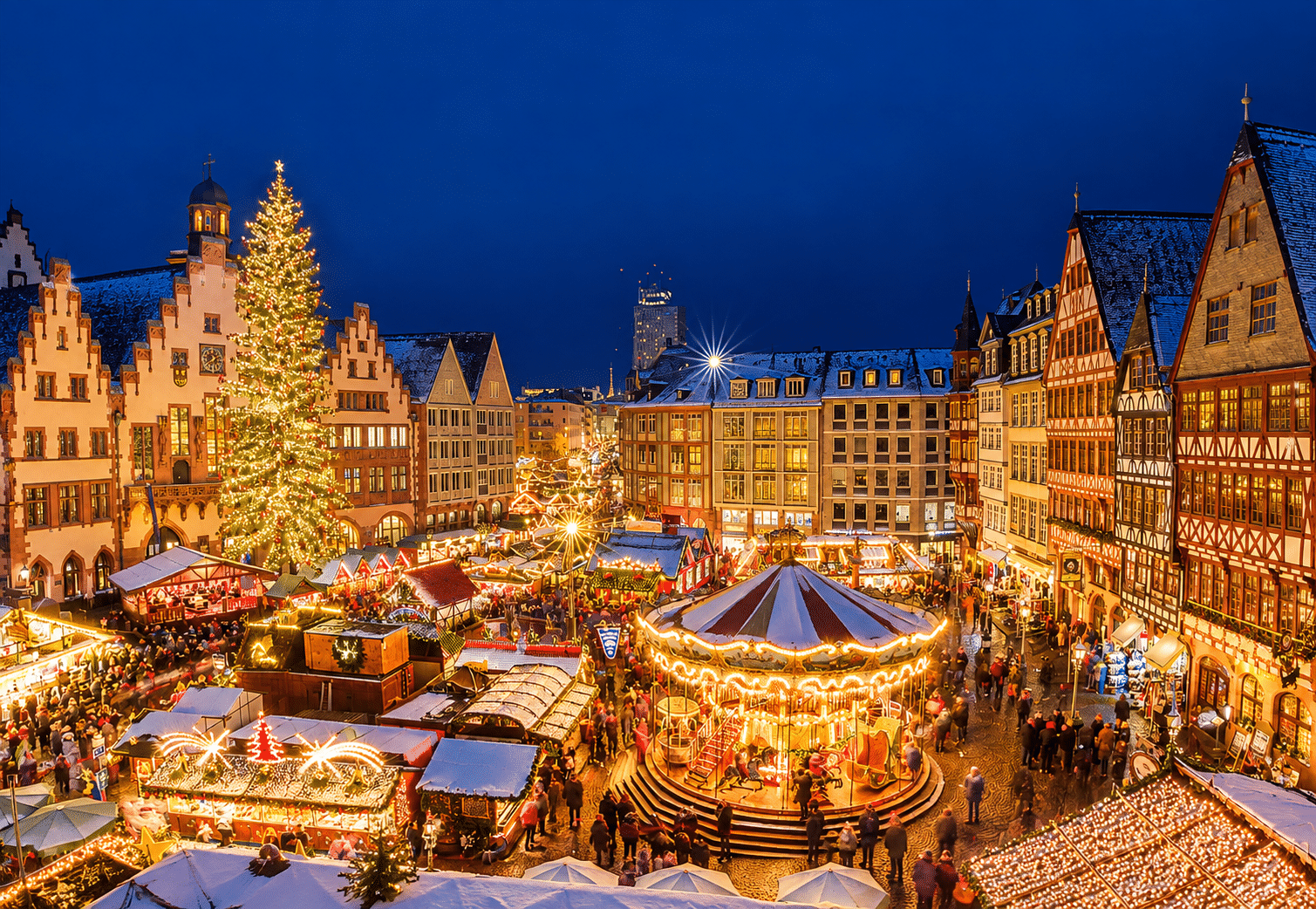
Austria is home to some of the best European Christmas markets, pairing Vienna’s imperial grandeur with the Alpine scenery of Salzburg and Innsbruck. Markets here often start in mid November 2026, and many run until December 23–26, with a few “New Year” markets continuing into early January.
Austria is particularly well suited to a multi-city winter itinerary, with convenient rail connections between Vienna, Salzburg, and Innsbruck. For more European winter wonderland destinations, Austria’s Alpine regions are hard to beat.
Vienna Christmas Markets: Palaces, Choirs and Christmas Lights
Vienna glows at Christmas time. Chandeliers of festive lights arch over the Graben, decorated palace courtyards fill with music, and steaming mugs of punch are served in collectible ceramic cups. Vienna’s Christmas markets offer elegant settings and feature classical music, making them among the most refined in Europe.
The Rathausplatz Christkindlmarkt is the largest, with Vienna’s Rathausplatz market having over 150 chalets serving traditional foods, plus a skating rink, a ferris wheel, and elaborate light displays. Vienna’s Rathausplatz market attracts 3.5 million visitors annually-a staggering number that speaks to the market’s magnetic pull. Schönbrunn Palace market opens as early as November 6, offering a baroque yellow palace backdrop with classical concerts and artisanal stalls running into January. Spittelberg and Freyung are cozier, more local Vienna Christmas markets with handmade crafts and gourmet specialties.
Typical dates for most Vienna markets run from mid November to December 23–26, 2026. Vienna is a major premium-flight gateway where Business-Class.com often finds strong business class deals to Europe, ideal for starting a Central Europe Christmas route to Prague and Budapest.
Salzburg, Innsbruck & the Austrian Alps: Mountain Christmas Magic
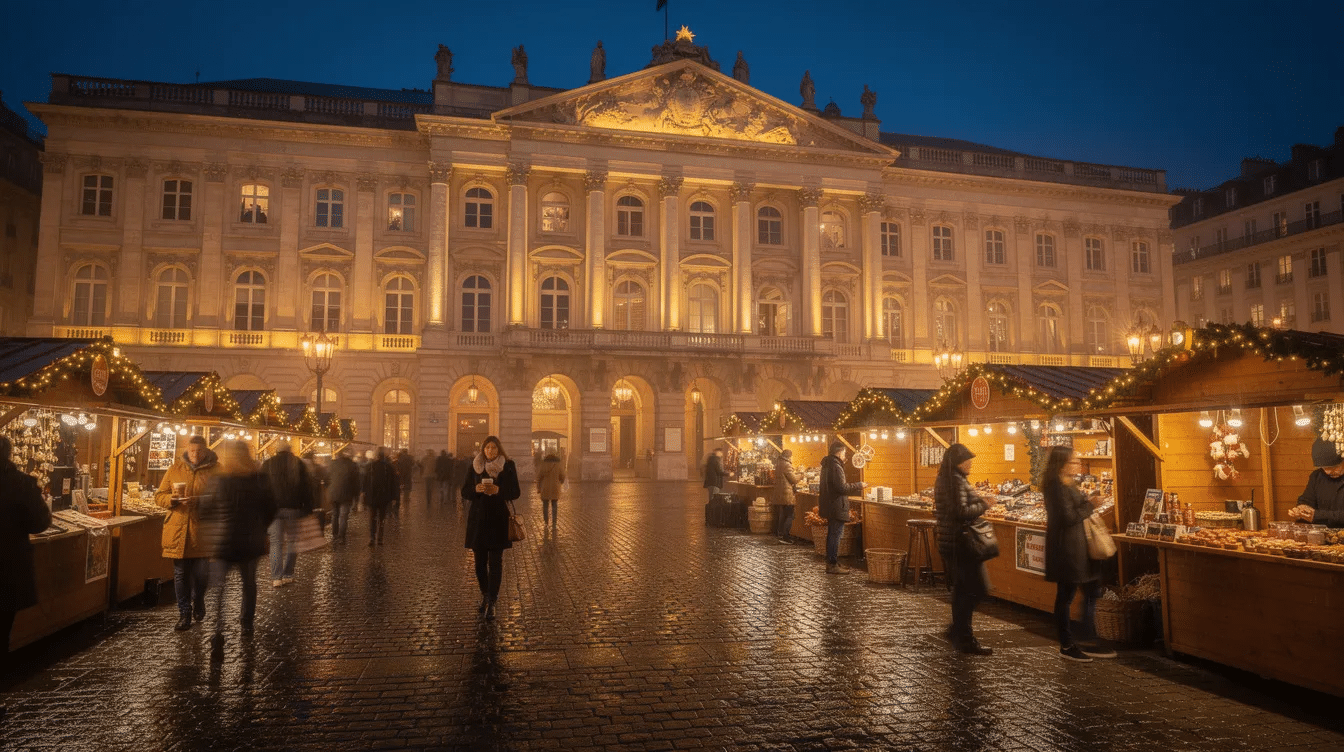
The Christmas markets in Salzburg and Innsbruck offer a more intimate atmosphere than Vienna, with historic squares, Alpine scenery, and seasonal music.
Salzburg’s Christkindlmarkt at Domplatz and Residenzplatz is one of the oldest Christmas markets in the Alpine region. Salzburg’s Christmas market dates back to the 15th century, and today stalls are surrounded by cathedral domes and baroque façades with daily choral performances and “Silent Night” traditions echoing through the squares. The market runs from mid November through late December 2026.
Innsbruck’s old town market is set beneath the Nordkette mountains and the Golden Roof, featuring traditional Tyrolean crafts, mountain foods like Krapfen and Kaiserschmarrn, and panoramic views accessible by cable car. Day trips to Hallstatt or smaller lakeside Advent markets-where a small Christmas market lines the waterfront-offer quiet Christmas cheer.
Alpine Christmas markets in places like Montreux focus on winter scenery and delicious local food, and premium train classes between these Alpine cities turn travel itself into part of the experience.
Prague & the Czech Republic: Gothic Spires and Old-World Charm
Prague’s Gothic skyline, cobbled lanes, and historic squares make it one of Europe’s most atmospheric Christmas destinations. Czech Christmas markets feature traditional food, handmade gifts, and a welcoming atmosphere.
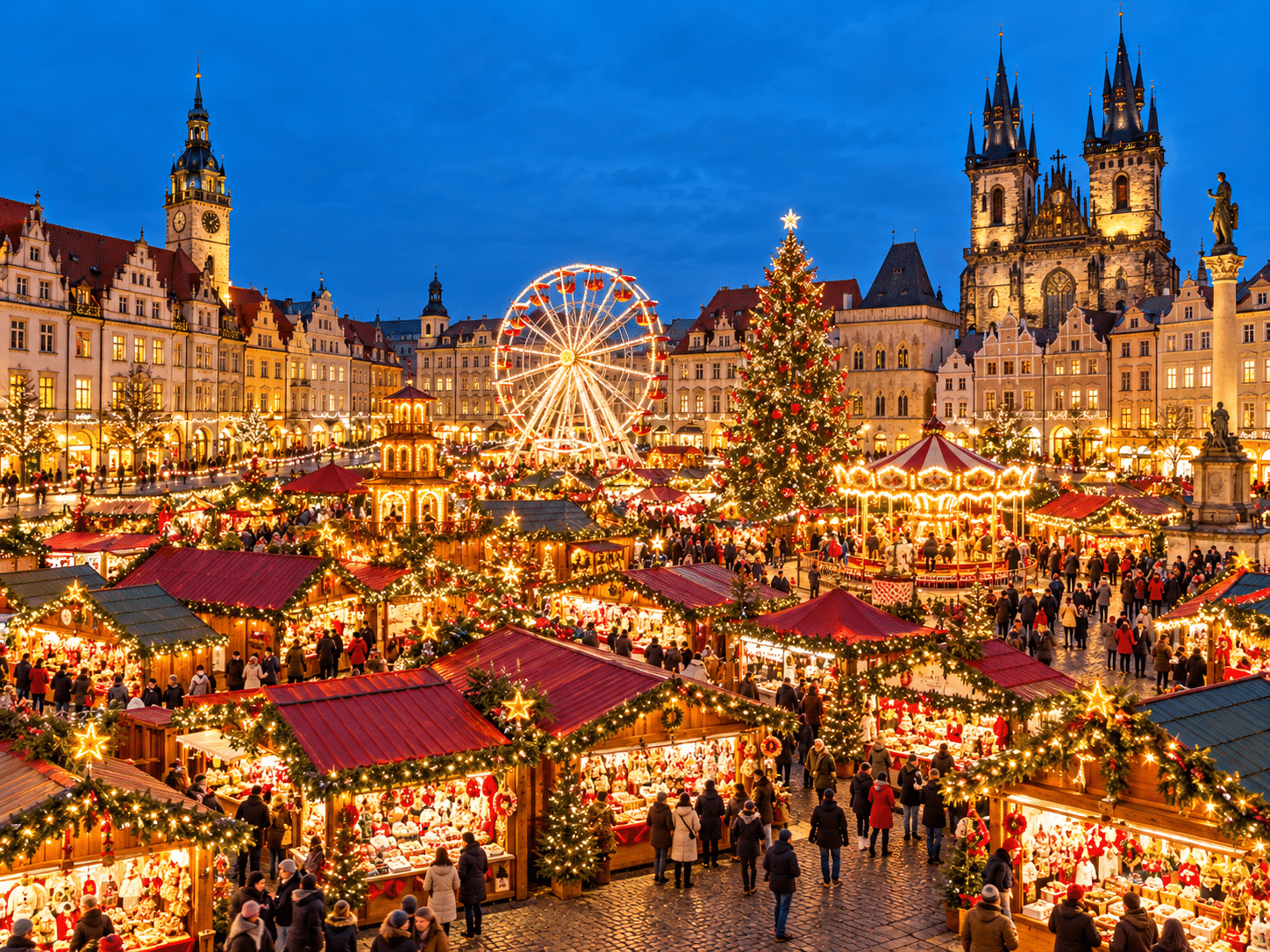
The main Christmas market at old town square showcases an enormous Christmas tree backed by the Týn Church and Astronomical Clock. Stalls sell trdelník (chimney cake), grilled sausages, smoked cheese, and hot mead. Typical dates run from late November 2026 to early January 2027, making Prague one of the longer-running markets.
Wenceslas Square adds more Christmas shopping, delicious food options, and a nativity scene, while the small, atmospheric market in Prague Castle’s courtyards offers views over the beautiful city below. Prague pairs naturally with Vienna and Bratislava for a one-week Central European itinerary-fly into one city and out of another using open-jaw premium tickets booked via Business-Class.com with business class flights to Czech Republic.
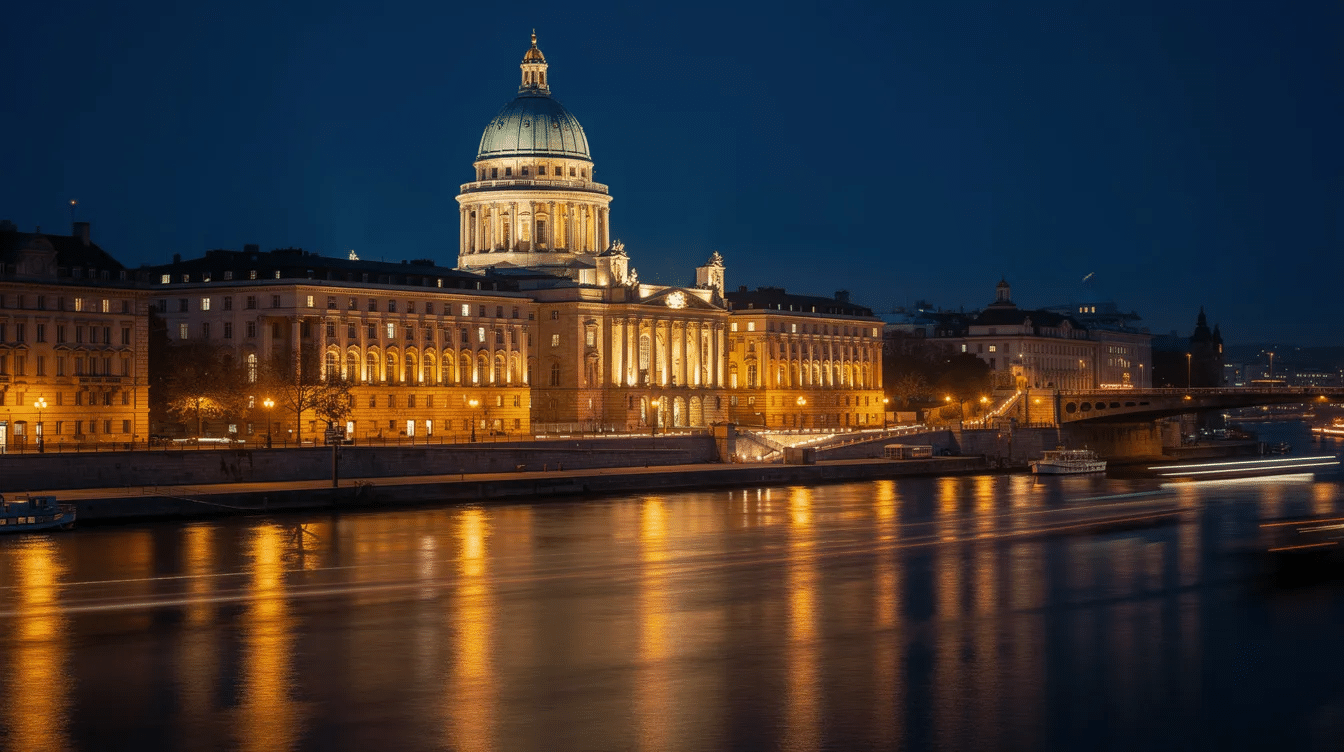
Budapest Christmas Market: Spa City with Festive Squares
Budapest hosts some of the best Christmas markets in Europe, and the city is especially attractive for value-focused luxury travelers.
The Vörösmarty Square Christmas market is one of Budapest’s main festive attractions. Budapest’s Vörösmarty Square market features only handmade goods-wooden toys, beeswax candles, ceramics, and handmade Christmas decorations line the stalls. Hungary’s Christmas markets are famous for hearty food and sweet pastries, and the Vörösmarty square Christmas market delivers on both with traditional Hungarian dishes, chimney cake (kürtőskalács), and hot wine. A giant advent calendar effect lights up the Gerbeaud House façade each evening.
St. Stephen’s Basilica Christmas market adds spectacular light projections on the basilica at night, along with an ice skating rink and a more intimate feel. Budapest’s Christmas markets feature street food and stunning light projections that turn the festive season into a true Christmas wonderland.
Approximate 2026 dates run from mid November to December 31. Side activities include thermal baths and Danube cruises with illuminated riverfront views. With business class flights to Budapest, travelers can save enough on fares to upgrade to five-star accommodation within walking distance of both main market squares.
France & Belgium: Strasbourg, Colmar, Brussels and Bruges
The France-Belgium corridor is ideal for travelers who want fairytale towns, wine, and some of the continent’s most elaborate christmas decorations.
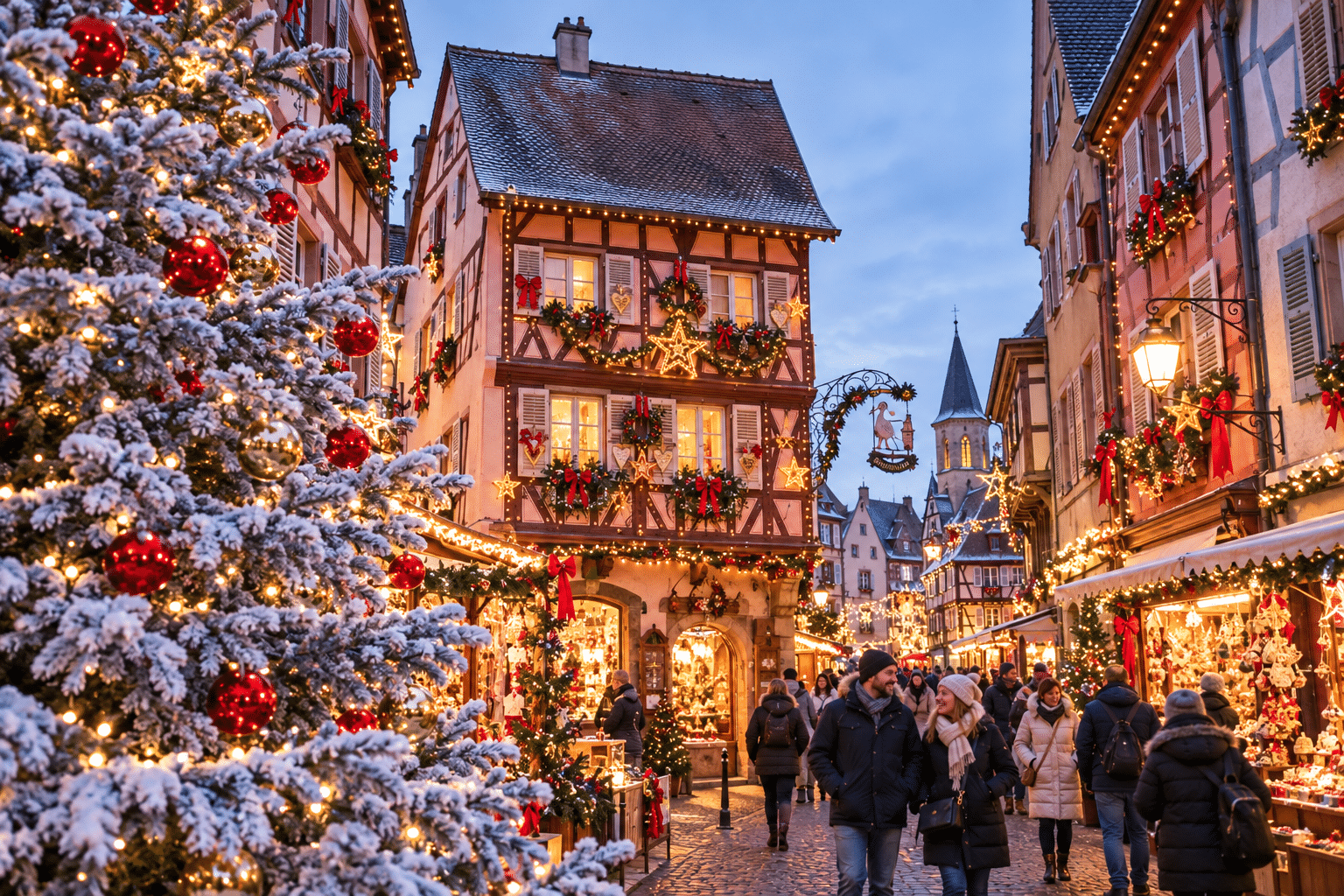
Strasbourg is widely known as the Capital of Christmas, thanks to its historic market tradition and elaborate festive decorations. Strasbourg’s market features over 300 stalls selling food and crafts spread across multiple squares, with a huge Christmas tree on Place Kléber and markets winding around the cathedral and through the canals of Petite France. Strasbourg’s markets blend French and German holiday customs due to their location in Alsace, creating a unique cultural crossover. Typical dates run from late November to December 24, 2026.
Colmar brings a storybook setting to life. Colmar’s market features over 300 stalls in a fairytale setting of canals and half-timbered houses draped in Christmas lights. The Colmar Christmas market is known for Alsatian stew and mulled wine, and it links via narrow lanes to several compact markets. Combine it with wine-route villages like Ribeauvillé for a few hours of quieter exploring. Most stalls open from late November to late December 2026.
Brussels Winter Wonders transforms the Grand-Place with a light-and-sound show, an ice skating rink, a merry go round, a ferris wheel, and around 250 chalets. Dates usually run from late November to early January, making it a good option after Christmas Day.
The bruges Christmas market sets up a central skating rink on Markt Square beneath the medieval Belfry tower. A smaller market on Simon Stevinplein focuses on Belgian chocolate, waffles, beer, and handmade gifts. The market square and canals illuminated with Christmas lights make Bruges one of the most photogenic stops in Europe.
These cities are linked by high-speed trains from Paris, Frankfurt, and London, making them easy to slot into a premium multi-city itinerary with business class flights to France on the long-haul leg.
Scandinavia & the Baltics: Nordic Christmas Lights and Snowy Squares
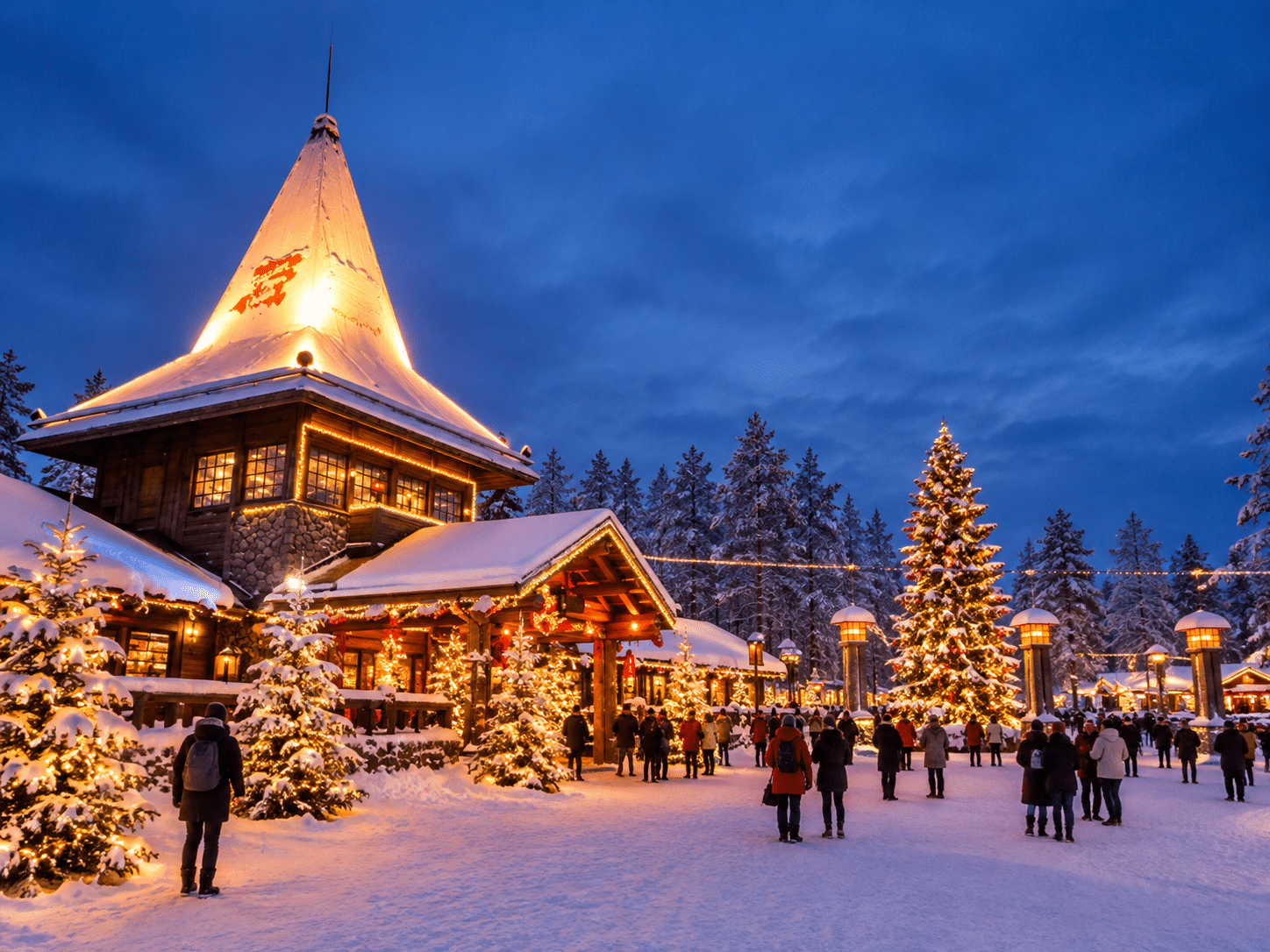
Scandinavian and Baltic markets are smaller than many german Christmas markets, but they deliver atmospheric snow, northern traditions, and cozy hygge culture that more than compensates.
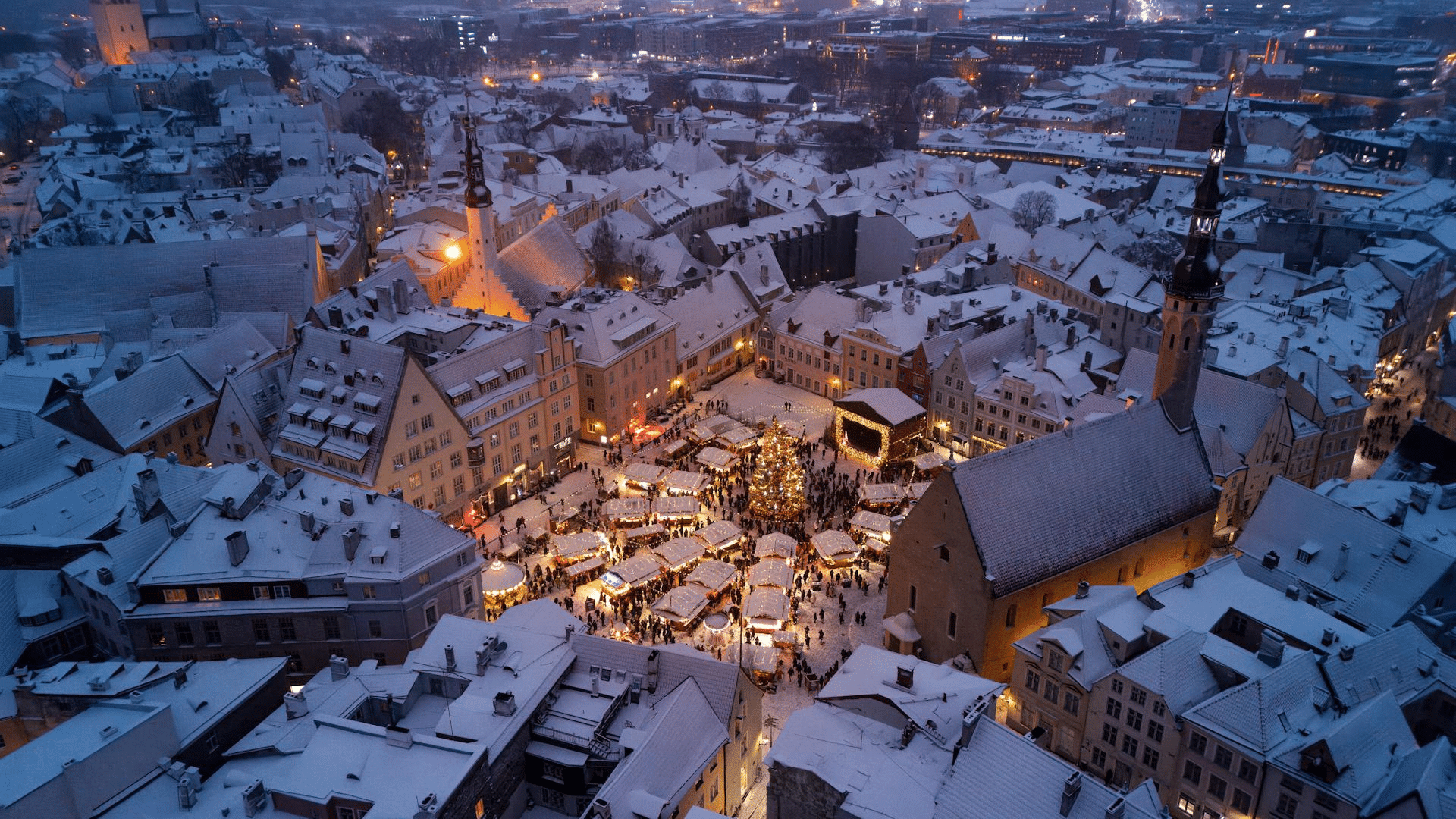
The Tallinn Christmas market sits in a UNESCO-listed medieval town hall square dominated by one of Europe’s oldest Christmas trees-a tradition since 1441. Stalls sell Estonian woolens, wooden crafts, and spiced glögi. Typical dates run from late November 2026 to early January 2027, and business class flights to Estonia put Tallinn within comfortable reach.
Copenhagen’s Tivoli Gardens transforms into a winter wonderland with rides, millions of fairy lights, and Christmas stalls. Smaller city-center markets at Nyhavn and town hall square offer Danish treats like æbleskiver and gløgg, with an extended festive season from mid November into early January 2027. Premium cabins are especially valuable on longer winter flights to northern Europe, where limited daylight makes arriving rested all the more important.
Food & Drink to Try at the Best Christmas Markets
Sampling local food is one of the pleasures of Christmas market trips. Each region brings its own culinary traditions, from familiar winter favorites to specialties rarely found outside their hometowns.
- Germany: Glühwein (mulled wine is a common beverage at Christmas markets across Europe, but Germany arguably perfected it), bratwurst, Lebkuchen, Flammkuchen, roasted almonds.
- Austria: Punsch served in collectible mugs, Kaiserschmarrn, raclette bread, sausages, and Vanillekipferl cookies.
- Hungary: Lángos, stuffed cabbage, roast goose, traditional Hungarian dishes, and kürtőskalács chimney cake-sweet, caramelized, and irresistible.
- Czech Republic: Trdelník, klobásy sausages, grog, and hot mead.
- France & Belgium: Vin chaud, bredele biscuits, kouglof, Belgian waffles, and pralines.
- Nordic & Baltic regions: Glögg, smoked fish, ginger biscuits, and local cheeses.
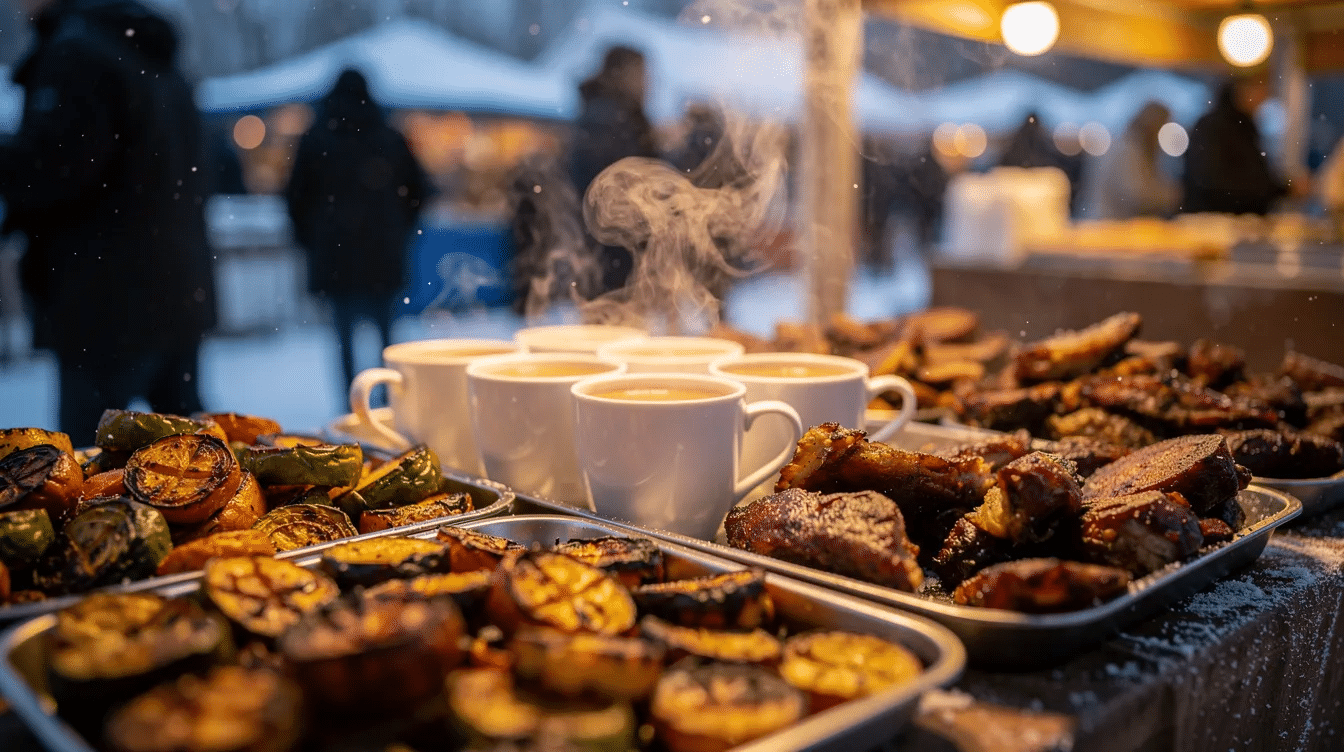
The sensory experience matters as much as taste-steam rising from grills in the cold air, the crackle of roasting chestnuts, the clink of collectible ceramic mugs at the deposit stand. Christmas markets combine regional foods, handcrafted gifts, and festive decorations into something greater than any single element.
Practical Tips for Visiting Christmas Markets in Europe
A little advance planning makes Christmas market trips smoother, warmer, and more enjoyable.
Packing and weather: December temperatures across Central and Western Europe often range from −2°C(28°F) to +8°C(46°F). Pack layers, waterproof boots, gloves, hat, scarf, and hand warmers. Choose warm, versatile outerwear that works for both daytime market visits and evening dinners.
Timing and crowds: Christmas markets are generally quieter on weekdays, especially from Monday through Thursday. Avoid the two Saturdays before Christmas at top christmas markets like Strasbourg, Vienna, and Nuremberg. Afternoons and early evenings offer the best combination of daylight and festive lights.
Money and safety: Many market stalls now accept cards, but some still prefer cash. Carry a money belt or cross-body bag in crowded areas. Glühwein mug deposits (Pfand) of €3–€5 are standard in Germany and Austria-return the mug to reclaim the deposit, or keep it as a souvenir.
Comfort: Centrally located hotels reduce travel time in cold weather, while comfortable premium cabins can make long-haul journeys easier.
FAQ
When do Christmas markets in Europe open in 2026?
Most European Christmas markets open between mid and late November 2026 and run until December 23 or 24. Some markets in Prague, Brussels, Copenhagen, and Tallinn remain open into early January 2027.
Which country has the best Christmas markets in Europe?
Germany is famous for its traditional Christmas markets, particularly in Nuremberg, Munich, Dresden, and Cologne. Austria, France, and the Czech Republic are also popular for their festive atmosphere, historic settings, and seasonal food.
What is the best time to visit European Christmas markets?
Late November through early December offers the best balance of festive atmosphere, manageable crowds, and accommodation prices. Mid-December is especially lively but tends to attract larger crowds.
Which European Christmas markets stay open after Christmas?
Christmas markets in Prague, Brussels, Tallinn, and Copenhagen typically continue into late December or early January. Many traditional German markets close by December 23 or 24, so checking individual schedules is essential.
Can you visit multiple European Christmas markets on one trip?
Yes. Europe’s rail network makes it easy to combine cities such as Vienna, Prague, and Budapest or Munich and Nuremberg. A 7–10-day itinerary provides enough time to experience several markets without rushing.